
Well+Being — Mental health Blog
Emotional Health & Wellness Tips From The Therapy Couch And Other Places
The information provided on this website is for educational purposes only and is not a substitute for professional medical advice, diagnosis, or treatment
Consider Couples Therapy Now Before Minor Concerns Become Bigger Issues Or Even A Crisis.
When you are experiencing distance, tension, or difficulty in your relationships, you may experience feelings of abandonment, rejection, a lack of empathy, anger, disappointment, hopelessness, shame, and other emotions. Most New York couples enter relationship counseling in some state of despair. Often, they have struggled for years, and in a last-ditch attempt to save the relationship, they begin couples therapy. At this point, communication has eroded, distance is the norm, and sex is nearly nonexistent. Reasonably high-functioning couples often begin therapy to navigate difficult circumstances, seeking guidance from a relationship therapist or coach. Couples counseling is typically sought by two people who are in a romantic relationship and are experiencing challenges they want to address together. These individuals are committed to improving their relationship, whether that’s through resolving conflict, improving communication, rebuilding trust, or working through other issues that may be impacting their bond.
As an experienced couple and relationship therapist with a private practice in New York, I have witnessed many challenges among successful, busy New York and NYC couples. Still, often, problems are rooted in the same recurring issues. In our counseling sessions, we focus on creating a safe environment for sharing thoughts, feelings, and emotions. We work on active listening skills, identify important patterns in your relationship, express individual needs, build empathy, set goals, and develop effective conflict resolution skills. Sessions are virtual. 60, 90, or 120 minutes, and we can meet online wherever in the world you happen to be.

No, EMDR Doesn’t Work For Everyone, And Here’s Why
EMDR Therapy, also known as Eye Movement Desensitization and Reprocessing, is a popular form of healing, powerful healing. As people become more comfortable talking about their mental health concerns, we see more people discussing EMDR, especially celebrities. What is EMDR? When something terrible happens to us, it is stored in our brain and nervous system in a different way than our everyday experiences. Memories and sensations show up when we are least expecting it, just like that, your day has been hijacked. EMDR therapy helps to make the memory less disturbing.
Research reveals that EMDR is a powerful therapeutic approach for resolving symptoms of PTSD and for processing trauma and negative experiences. EMDR has been extensively researched and is recognized as effective by organizations such as the American Psychiatric Association and the World Health Organization for treating PTSD. Many individuals experience significant symptom reduction and improvement in their overall well-being after undergoing EMDR therapy.

Marriage and Couple Therapy in Manhattan for High-Achieving Professionals
Marriage and couple therapy can be a game-changer—especially for high-functioning couples living in a high-stress, fast-paced city like New York. In a culture that celebrates independence, drive, and productivity, even the most successful couples often find themselves struggling in silence. The truth is, success in life doesn’t automatically translate to ease in love.
As a licensed couple therapist in Manhattan, I specialize in helping ambitious, intelligent couples navigate the hidden struggles that often accompany high achievement: emotional disconnect, communication breakdowns, power imbalances, and the erosion of intimacy in the face of relentless demands. These issues don’t mean your relationship is broken—they mean you're human.
High-Functioning, Successful—and Struggling in Private
While your lifestyle may appear polished and enviable, many high-achieving couples quietly experience:
Difficulty balancing career demands and emotional closeness
Persistent conflict masked by professionalism or polite avoidance
Deep loneliness despite shared success
A desire for intimacy and understanding that feels just out of reach
In my practice, I work with New York City couples to build healthier emotional foundations, restore connection, and create relationships that are as strong as their résumés.
Common Challenges Faced by Successful Couples in NYC
Of course, there are other challenges that high-functioning couples face behind closed doors. Let’s explore some of the most common relational stressors I see in therapy:
Difficulty Prioritizing Quality Time Together
New Yorkers are over-scheduled. With ambitious careers, demanding jobs, parenting responsibilities, and social obligations, quality time between partners often falls to the bottom of the list. Many couples feel emotionally starved despite being under the same roof. Therapy can help you build strategies for time management and prioritizing shared rituals—like regular date nights or weekend getaways—to maintain connection and deepen intimacy.
Nurse, Heal Thyself
(by Kim Seelbrede, originally posted on urbanzen.org)
The Healing Power of Self-Care for Nurses: A Reflection on Urban Zen Integrative Therapy at the NSNA Convention
As delicate snowflakes danced across the Utah sky, a sea of passionate and ambitious nursing students gathered in Salt Lake City for the 59th Annual National Student Nurses Association (NSNA) Convention. Beneath the buzz of clinical discussion and future-focused enthusiasm, a quieter and more essential invitation was extended to these frontline caregivers: to pause, to receive, and to restore.
In a serene space known as The Sanctuary—generously provided by Johnson & Johnson as part of their Campaign for Nursing’s Future—student nurses were welcomed into the calming embrace of Urban Zen Integrative Therapy (UZIT). It was here that many of them experienced, for the very first time, the profound impact of receiving care instead of providing it.
Nurses, Self-Neglect, and the Culture of Overgiving
The nursing profession is one of devotion, long hours, emotional labor, and unrelenting resilience. Nurses are celebrated as compassionate givers—but rarely taught the parallel art of receiving. In fact, many nurses internalize the idea that self-care is indulgent, or worse, selfish. As burnout and compassion fatigue become chronic conditions within the field, a new conversation must emerge: How do we care for the caretakers?
What many nurses are not taught in school—but urgently need—is the practical, embodied experience of self-care. Not a buzzword, not a spa day, but a deep nervous system reset. A return to being rather than constant doing. This is the heart of the Urban Zen Integrative Therapy model.
Creating a Healing Environment for Healing Professionals
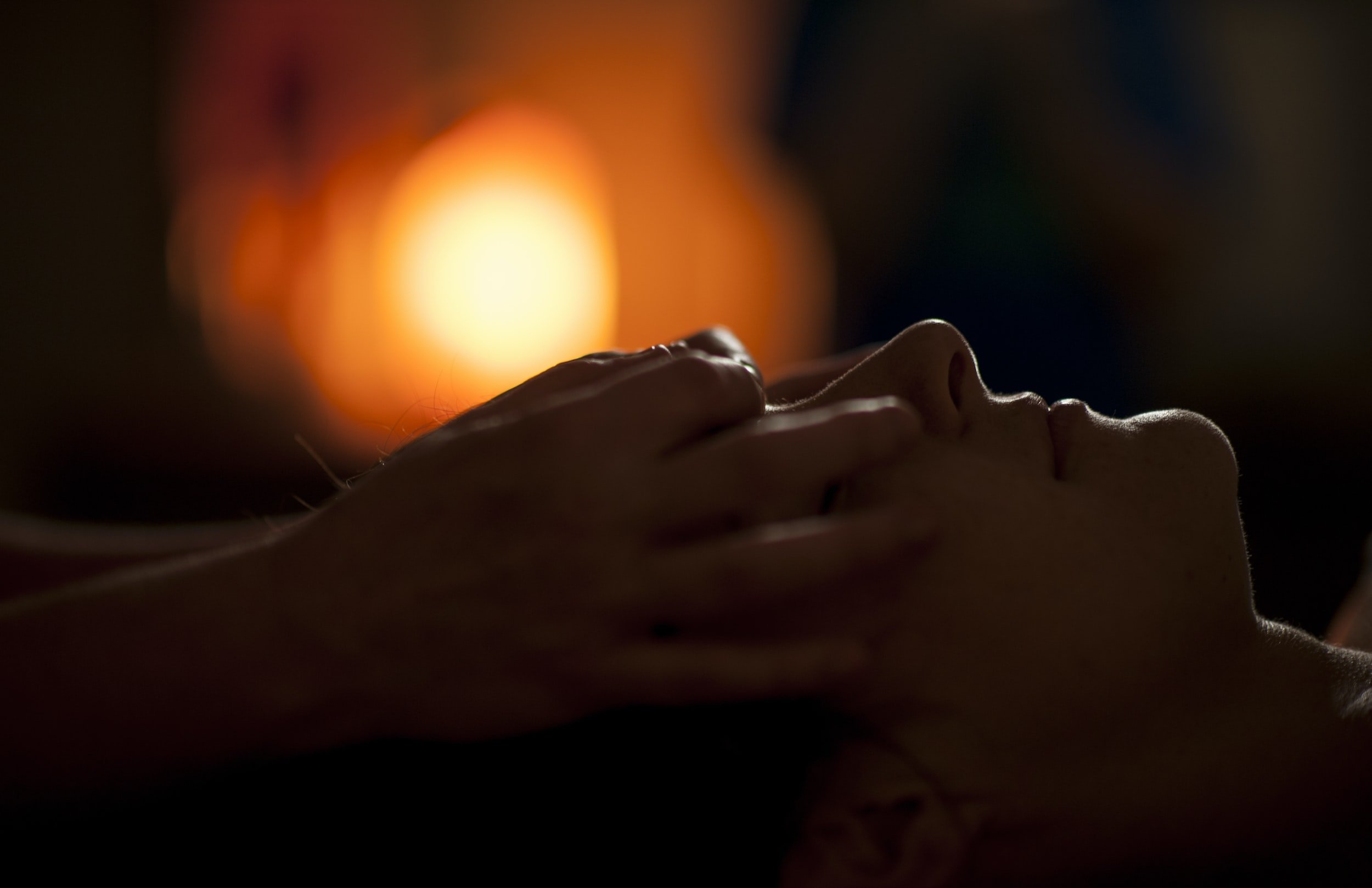
Inside The Sanctuary, student nurses were guided through gentle restorative yoga poses, supported by skilled Urban Zen Integrative Therapists offering Reiki, essential oil therapy, and mindful breath awareness techniques. The results were immediate, visible, and profound. Stressed shoulders softened. Eyes welled with tears of release. Breathing slowed. Presence returned.
As one nurse quietly shared, “You’ve inspired me to take time for myself—to breathe and rest. I didn’t know how to do this.” Another student confided, “I feel blessed to have met you today. I’m finally able to be ‘in’ my body.”
These reflections speak to a deep and unmet need in the nursing profession: the need to feel safe enough to slow down and reconnect with the body. The need to be more than a set of hands. To feel held, witnessed, and restored.
Why Nurses Need More Than a Reminder—They Need a Roadmap
Nurses are often told to care for themselves, yet few are taught how. The Urban Zen Foundation responds to this gap with a practical and nourishing self-care curriculum that blends Eastern healing traditions with Western science—designed by healthcare professionals, for healthcare professionals. This model includes:
Breathwork to regulate the nervous system
Restorative movement to release tension
Aromatherapy to shift emotional states and stimulate the limbic system
Reiki to restore energetic balance
Mindfulness practices to create calm and improve focus
These are not just self-care techniques. They are professional survival tools. When nurses are given permission and guidance to nourish themselves, they show up more fully—not only for patients but for their own lives.
Reclaiming Wholeness in a Fragmented System
The burnout crisis in healthcare is not simply about long hours and heavy caseloads—it’s about disconnection. Nurses have been trained to override their own needs for the sake of others. This disconnection from the self is unsustainable. Without intentional practices of reconnection, even the most skilled and passionate caregivers will feel depleted.
Our time in Salt Lake City was a call to action. As healthcare professionals and advocates, we must do more than remind nurses to take care of themselves—we must equip them with the knowledge, experiences, and embodied tools to make that care accessible and sustainable.